
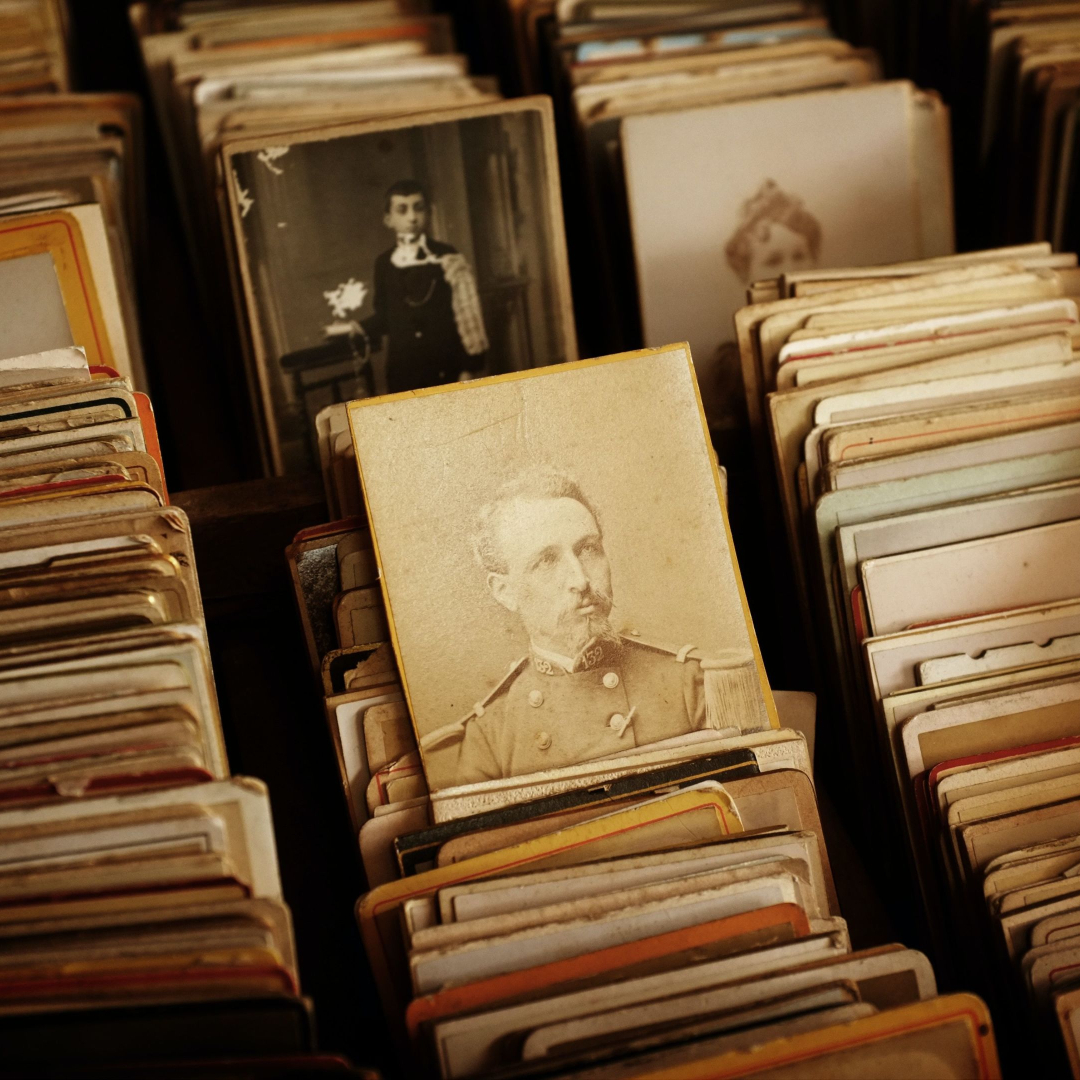
It is easier to understand how contemporary funeral customs have changed to accommodate societal demands when we know the rich history of British funerals. Funeral traditions in Britain reflect centuries of religious and cultural influences. This blog examines a chronology of funeral traditions in Britain.
What is a funeral?
In simple terms, a funeral is an event which marks the parting of a loved one. It allows people to say goodbye and come together to remember the person and celebrate their lives and achievements. Funeral procedures vary greatly depending on culture, location, religion and personal taste. Ultimately, it is the final goodbye and a tribute to the deceased.
Early History and Practices
Early British ancestors cared for their deceased with complex burial rites. Britain’s archaeological sites show how early civilisations honoured their dead with important ceremonies. Early burial mounds and grave items reflected beliefs about the afterlife and community mourning. The advent of Christianity in Britain changed burial rituals. Funerals were held in churches, and scattered burial places were converted into churchyards. This change led to centuries-old funeral traditions like prayers, hymns, and religious readings.
Religious Changes and Mediaeval Influences
Mediaeval funerals were more extravagant, especially for the rich. A wake would be followed by a procession to the church for the funeral. This reflected the period’s strong religion and social classes. The Protestant Reformation altered British funerals, eliminating or simplifying many Catholic practices.
The Victorian Era
Queen Victoria’s prolonged grief for Prince Albert changed British funeral customs in the Victorian era. This period involved complex mourning rituals and impressive dress standards shaping generations’ funerals. Victorian mourning included strict black clothing and social restrictions, valuing public grieving and remembering. Professional funeral services also emerged in this era, paving the way for industry standards.
World War Effects
The World Wars changed British funeral customs significantly. The sheer volume of deaths meant more simple and streamlined funerals for many, and war also changed how society regarded death and grieving, making funeral plans more realistic. War memorials were built across Britain, providing locations for grieving and memory.
Modern Changes
Modern British funerals reflect evolving ideas towards death and how to remember our loved ones. Many families still value traditional religious events, but a shift has also occurred towards personalised celebrations that reflect individual personalities—a more tailored approach.
Live streaming, digital monuments, and social media allow people to share memories and attend funerals anywhere. Modern funerals also reflect the movement towards sustainability. Green burials, biodegradable caskets, and woodland burial grounds are options for environmentally conscious families.
The Future of Funerals
British funerals move with the times, social values, technology, and the environment. To accommodate modern families’ ever-changing wants and needs, the funeral industry is embracing innovation and personalisation while respecting tradition.
Contact Funeral Map for help with funeral plans.
